Why Loss Damage Waiver Matters for Rent-to-Own Sheds and Portable Buildings

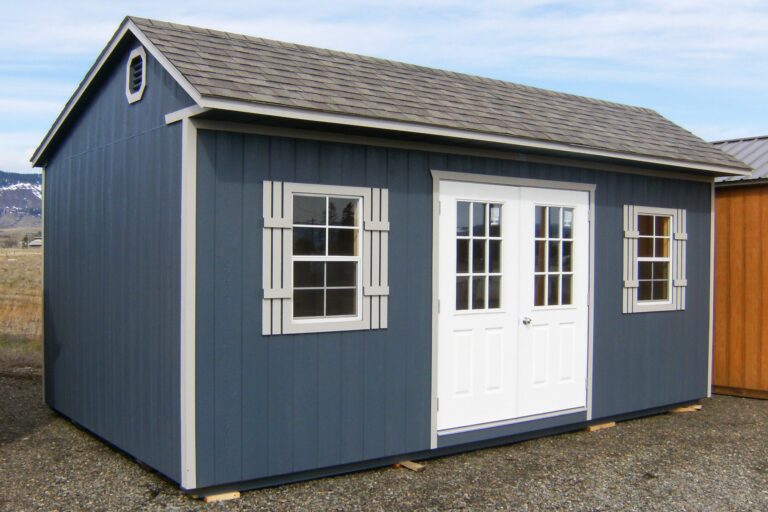
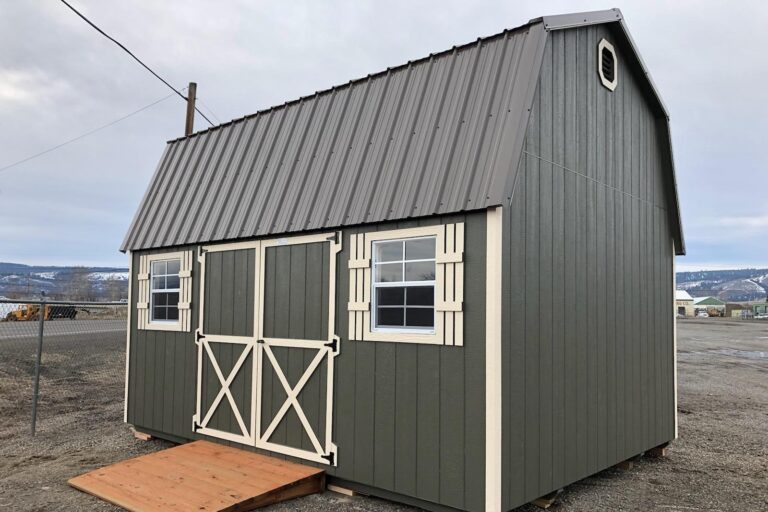
When customers choose rent-to-own sheds or portable buildings, they are usually looking for an affordable way to get the storage or workspace they need without paying the full cost upfront. Rent-to-own programs make it easier for families and property owners to add structures like storage sheds, portable garages, workshops, and backyard buildings with manageable monthly payments.
However, one important question often comes up during the process.
What happens if the structure is damaged, destroyed, or stolen before the rent-to-own contract is completed?
That is where a Loss Damage Waiver (LDW) becomes an important option. Understanding how LDW works can help customers protect their investment and avoid unexpected financial stress during their rent-to-own agreement.
This guide explains what a Loss Damage Waiver is, how it works with rent-to-own structures, and why it can be a valuable option for customers renting sheds and portable buildings.
What Is a Loss Damage Waiver?
A Loss Damage Waiver is an optional agreement that reduces or eliminates the renter’s financial responsibility if the rented structure is damaged, destroyed, or lost due to certain events.
Unlike traditional insurance, LDW is not an insurance policy. Instead, it is a contractual waiver provided by the rent-to-own company. If a covered event occurs, the provider may repair the structure, replace it, or waive the remaining balance, depending on the terms of the agreement.
In rent-to-own programs for portable buildings, storage sheds, garages, and backyard structures, the waiver typically protects against unexpected events that are outside the renter’s control.
This can include situations such as:
- Severe weather damage
- Fire or lightning
- Theft of the structure
- Accidental destruction from unforeseen events
Because portable buildings are exposed to outdoor conditions, these risks are very real. For many customers, adding LDW to a rent-to-own agreement provides reassurance that their investment is protected.
Why LDW Is Important for Rent-to-Own Sheds and Portable Buildings?

Portable buildings are designed to be durable and long-lasting. However, they are still vulnerable to natural forces and accidents.
Customers who finance a rent-to-own shed or portable storage building are responsible for the structure until the agreement is complete. Without an LDW, the renter may still be responsible for the remaining balance even if the structure is damaged or destroyed.
That can create a difficult situation.
Imagine renting a backyard shed through a rent-to-own program, and halfway through the agreement, a severe storm causes major damage. Without protection in place, the renter may still be responsible for the full remaining balance of the building.
With a Loss Damage Waiver, the financial responsibility may be reduced or removed depending on the event and the contract terms.
This protection is one reason many rent-to-own customers choose to include LDW when purchasing structures like:
- Portable storage sheds
- Backyard offices
- Portable garages
- Garden sheds
- Utility buildings
- Workshops
When customers are investing in a structure that will remain on their property for years, having protection against unexpected events can make the entire rent-to-own experience more secure.
How LDW Works in a Rent-to-Own Agreement
When a customer signs a rent-to-own contract for a portable building, they typically have the option to add a Loss Damage Waiver for a small additional monthly fee.
Once the waiver is included in the agreement, the renter receives protection against certain types of loss or damage.
If a covered event occurs, the rent-to-own provider will evaluate the situation. Depending on the circumstances, they may:
- Repair the portable building
- Replace the structure
- Waive the remaining balance on the agreement
The exact outcome depends on the terms of the specific rent-to-own program.
For example, if a portable shed is destroyed during a major storm, the LDW may allow the provider to handle the loss without requiring the renter to continue making payments for a structure that no longer exists.
This type of protection is especially helpful for structures located in areas that experience strong winds, heavy snowfall, or severe weather.
Common Risks for Portable Buildings

Customers often purchase portable buildings and storage sheds because they are versatile and can be placed almost anywhere on a property. However, being outdoors also means they face several potential risks.
Some of the most common causes of damage include:
Severe Weather
Storms are one of the biggest threats to portable buildings. High winds, hail, and falling trees can cause significant damage to sheds and small structures.
Fire
Fires can occur due to lightning strikes, electrical issues, or accidents involving equipment stored inside the building.
Theft
Although it may sound unlikely, portable structures can sometimes be stolen or moved from a property.
Accidental Damage
Vehicles, equipment, or falling debris can damage a shed or portable garage.
When customers rent these buildings through a rent-to-own program, they may still be responsible for the payments even if the building is destroyed. This is why many providers offer Loss Damage Waivers as an optional safeguard.
The Benefits of Adding LDW to a Rent-to-Own Structure

Choosing to add an LDW can provide several benefits for customers financing portable buildings.
Financial Protection
The most obvious benefit is protection from unexpected financial loss. If something happens to the building, the renter may not be responsible for paying the entire remaining balance.
Peace of Mind
Many customers feel more comfortable entering a rent-to-own agreement knowing that unexpected events are covered.
Affordable Protection
In most cases, the cost of adding LDW to a rent-to-own shed or portable building is relatively small compared to the cost of replacing the structure.
Protection During the Entire Agreement
Rent-to-own contracts often last several years. During that time, the building remains exposed to weather and other risks. LDW provides protection throughout the life of the agreement.
Rent-to-Own Sheds Continue to Grow in Popularity

Over the past decade, rent-to-own sheds and portable buildings have become increasingly popular across the United States.
Many homeowners use these structures for:
- Backyard storage
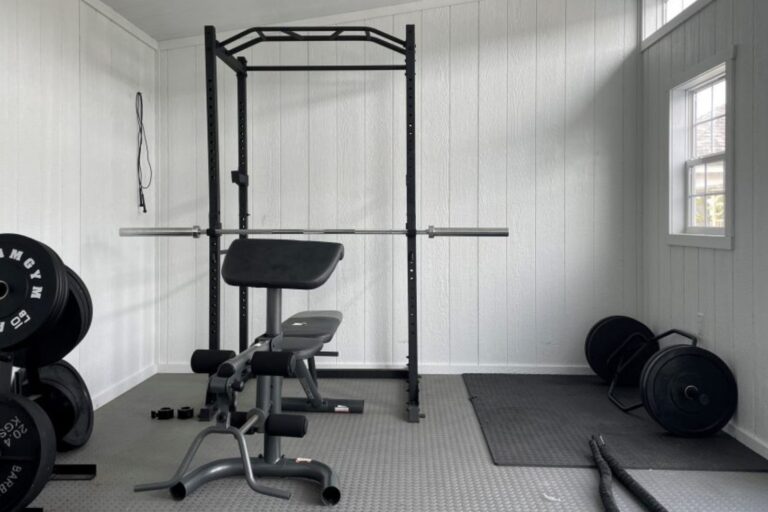
- Home workshops
- Garden tool storage
- Hobby spaces
- Small business workspaces
- Home offices
Because rent-to-own programs do not always require credit checks, they allow more people to access quality portable buildings without large upfront payments.
The process is simple.
Customers choose the building they want, sign a rent-to-own agreement, and make monthly payments until the structure is fully paid off. Once the contract is completed, the customer owns the building.
During that time, however, the renter remains responsible for the structure. This is why protection options like LDW are often recommended.
Is LDW Required
In most rent-to-own programs, Loss Damage Waiver coverage is optional. Customers can choose whether to include it in their agreement.
Some renters decide not to add the waiver if they already have coverage through homeowners’ insurance. Others prefer the simplicity of including LDW directly in their rent-to-own contract.
The right decision depends on the customer’s situation, location, and level of risk they are comfortable with.
For properties located in areas that experience strong storms or extreme weather, the added protection can be particularly valuable.
What Customers Should Know Before Choosing LDW
Before adding a Loss Damage Waiver to a rent-to-own contract, customers should review the agreement carefully.
Important things to understand include:
- What events are covered
- What situations are excluded
- How claims are handled
- What responsibilities does the renter still have
For example, renters are usually expected to maintain the building and avoid intentional damage or neglect.
Protecting Your Rent-to-Own Portable Building

At Countryside Sheds, we want every customer using our Rent To Own shed program to feel confident in their investment. Our RTO option allows you to get the storage building you need with affordable monthly payments through our trusted financing partner. To help protect your building during the agreement period, many customers choose the Loss Damage Waiver, which helps reduce financial risk if unexpected damage or loss occurs. By understanding the terms of your Rent To Own agreement and protection options, you can enjoy your new shed with greater peace of mind while you work toward full ownership.